Renny Wadsworth writes about the changes of his local high street, but the hope he holds for its future.
“It was the best of times, it was the worst of times, it was the age of wisdom, it was the age of foolishness, it was the epoch of belief, it was the epoch of incredulity, it was the season of light, it was the season of darkness, it was the spring of hope, it was the winter of despair” – Charles Dickens, A Tale of Two Cities
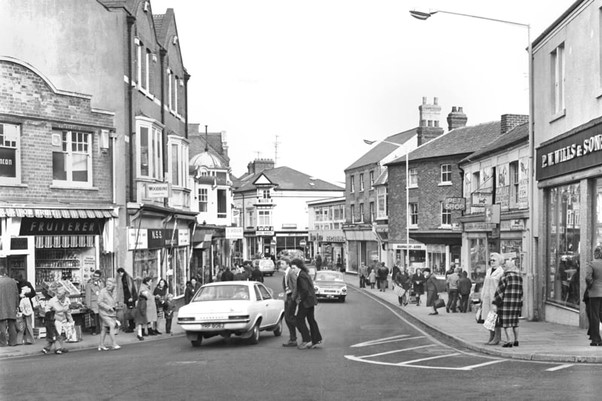
In the backdrop of my upbringing during the 1960s and 1970s in the quaint East Midlands town of Rushden, the High Street stood as the nucleus of our existence. It catered to our every need, boasting an array of food shops, clothing boutiques, toy stores, a cinema, and record shops – a one-stop destination that rendered exploration beyond unnecessary.
Saturdays saw a collective pilgrimage to this bustling epicentre, as Sunday openings were yet to become the norm. It was a cherished routine. Regrettably, the passage of time has witnessed the gradual decline of our High Street, primarily attributable to the growing inclination toward expansive shopping complexes like Milton Keynes.
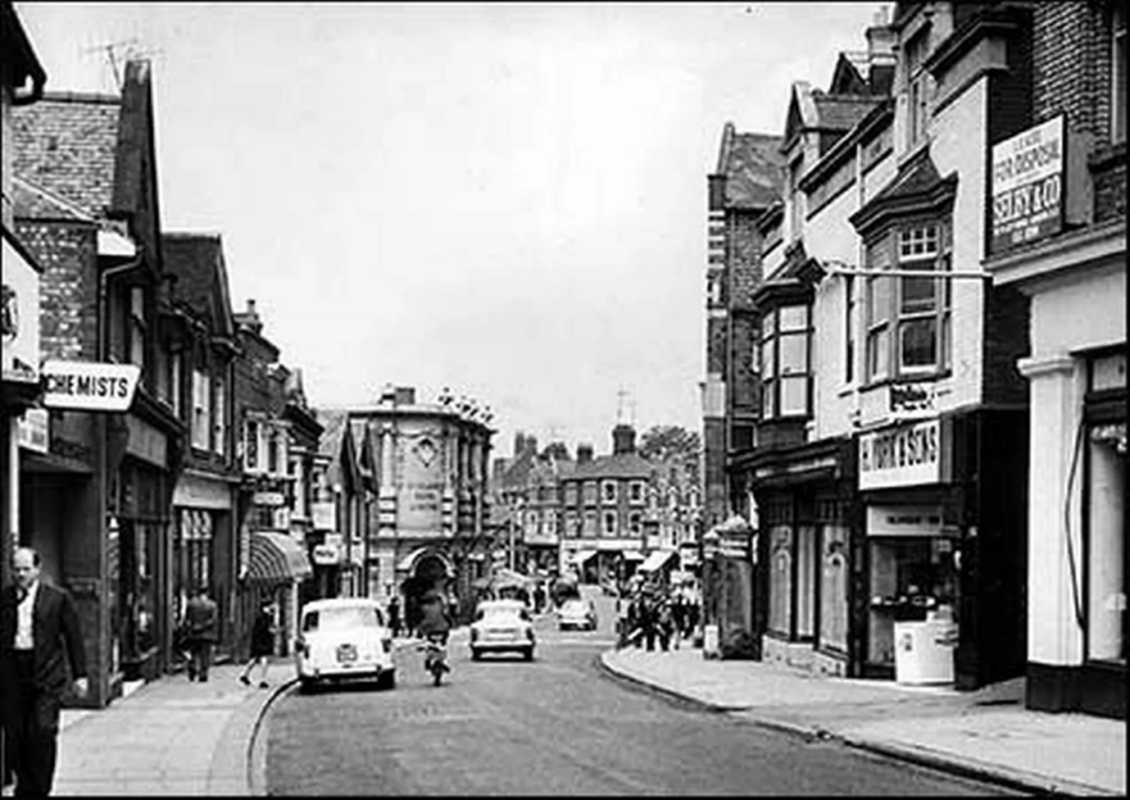
Over the years, prominent establishments such as Woolworths, WHSmith, Argos, Freeman Hardy & Willis, New Look, Yours, Co-Op, and Wilko’s have bid farewell to the High Street, leaving behind a dwindling landscape. The introduction of Rushden Lakes, an out-of-town shopping centre that debuted in 2017, further accelerated this decline. Although it draws crowds from across the nation, few venture into the heart of Rushden’s old High Street.
In the last 6 to 7 years, several factors have exacerbated this decline, including the rise of Rushden Lakes, the economic repercussions of Covid, and the general challenges of sustaining a business. Presently, the once vibrant High Street is a hodgepodge of establishments, dominated by charity shops, nail bars, fast-food outlets, barbershops, cake shops, estate agents, phone accessory stores, a handful of restaurants and numerous vacant units.
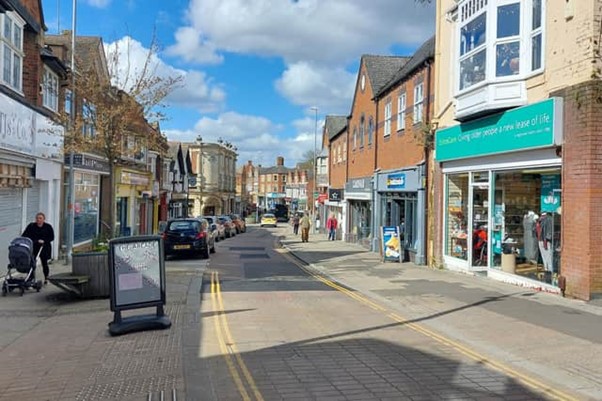
The current state of the High Street lacks the charm and appeal to attract outsiders for a leisurely stroll or shopping expedition. It may not be a glowing endorsement, but amidst the gloom, there is a glimmer of hope. Over the past 12 months, there has been a noticeable surge in the establishment of independent stores, as well as low-cost retailers including Iceland, Poundstretcher, and Superdrug.
Amidst the shadows of the 1960s and 1970s, a few stalwarts have stood the test of time – an enduring toy shop since 1955, a resilient DIY store with an 80-year legacy, and a jeweller that has graced the street since 1952. These survivors hold the key to the High Street’s survival – independent retailers capable of offering a unique appeal not found in the sprawling expanse of Rushden Lakes.
The recent shift towards independent retailers’ kindles optimism, providing a potential catalyst for the High Street’s revival. In synergy with Rushden Lakes, it is hoped that this resurgence will breathe new life into the High Street, allowing it once again to flourish. Is it a combination of niche and specialist retailers, combined with government legislation that will once again make the high street a destination?